Making the Switch Without Breaking the Bank
Switching to an electric van has never been more tempting for UK tradesmen. Lower running costs, zero emissions, and the ability to enter Ultra Low Emission Zones (ULEZ) for free are all strong incentives.
But one question often comes up first: “How am I going to pay for it?”
The good news is there are several ways for a business to pay for an electric van, from buying outright to business finance arranged through a finance provider. Whether you run one van or a small fleet, the right option can make going electric a smart business move.
Option 1: Outright Purchase
Buying a van outright means you own it from day one. Advantages include:
- No monthly payments once purchased
- You can modify or brand it as you wish
- Full control over resale when it’s time to upgrade
For some businesses, especially those with available capital or access to business loans, outright purchase can make sense. You also benefit from capital allowances, meaning you can write down the cost of the van against your taxable profits.
However, the higher upfront cost can make this option less appealing for small businesses trying to preserve cash flow.
Option 2: Hire Purchase (HP)
Hire purchase spreads the cost over a set term (usually 2–5 years). You pay a deposit, then fixed monthly payments, and the van is yours with the final payment. There is no balloon.
Benefits for tradesmen include:
- Predictable monthly payments
- Ownership at the end of the term
- Potential to reclaim VAT on monthly payments if VAT-registered
HP agreements are popular with small businesses because they combine the benefits of eventual ownership with manageable payments.
Option 3: Business Contract Hire
Business contract hire lets you run a new electric van without owning it. You pay a fixed monthly rental for an agreed term, then hand the van back at the end.
Advantages include:
- Lower monthly payments compared to HP
- No worries about resale value or depreciation
- Option to upgrade to a newer model every few years
Leasing is ideal for tradesmen who want to keep their vehicles up to date with the latest technology, and avoid the hassle of selling an old van.
Option 4: Lease Purchase
Lease purchase gives you lower monthly payments with a final balloon payment. Once the balloon is settled, the van is yours.
It offers:
- Ownership once the final balloon is paid
- Lower monthly payments compared to HP
- Good for businesses that keep their vans for a long time
With a balloon, the residual-value risk is yours, but so is the upside if the van is worth more when you sell it.
Option 5: Business Loan
If you prefer to own your van but don’t have the capital upfront, a business loan can cover the cost.
Pros:
- Flexible repayment terms
- Ownership from day one
- Ability to negotiate purchase price as a cash buyer
Cons:
- Interest costs
- Requires good credit history
Government Grants and Incentives
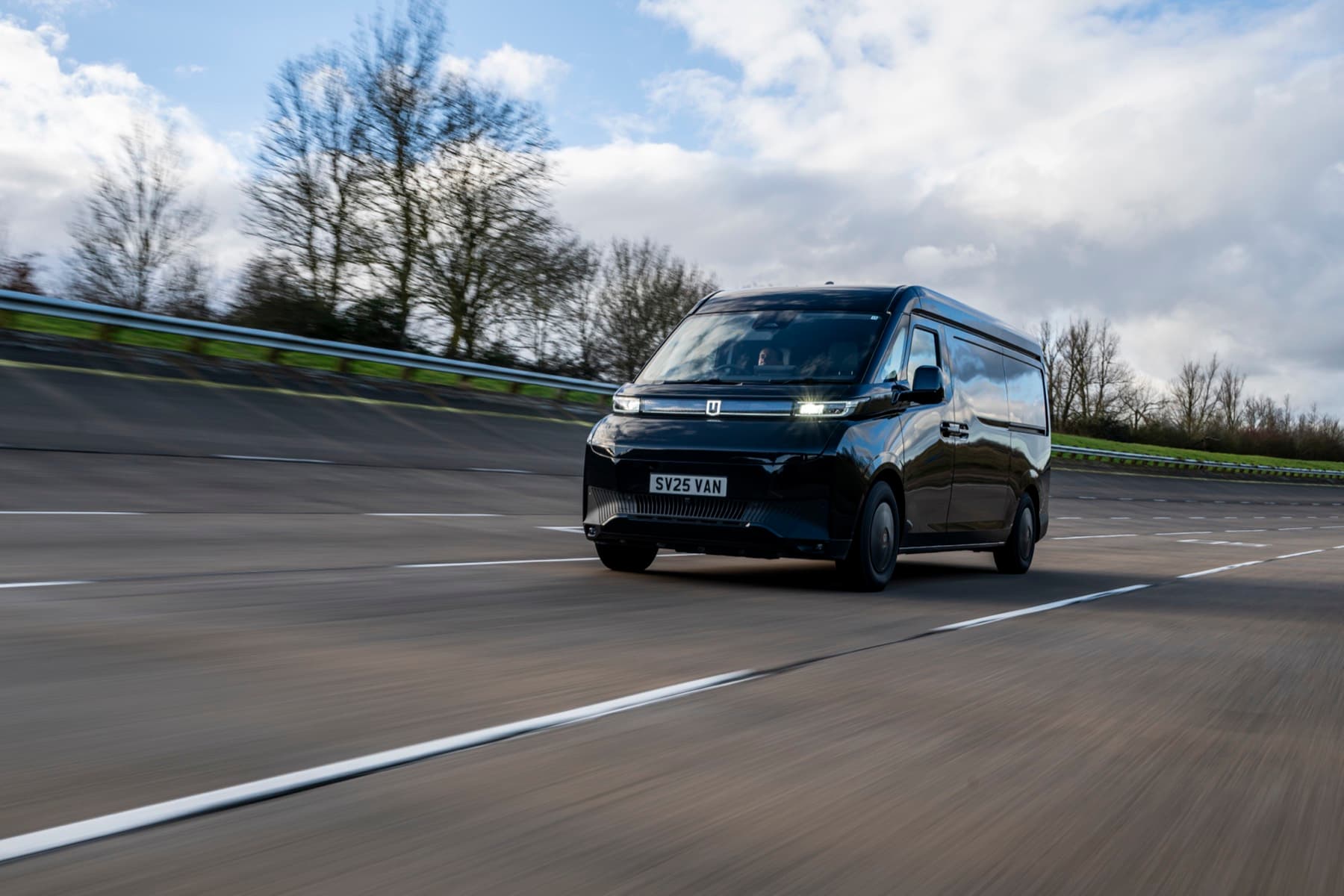
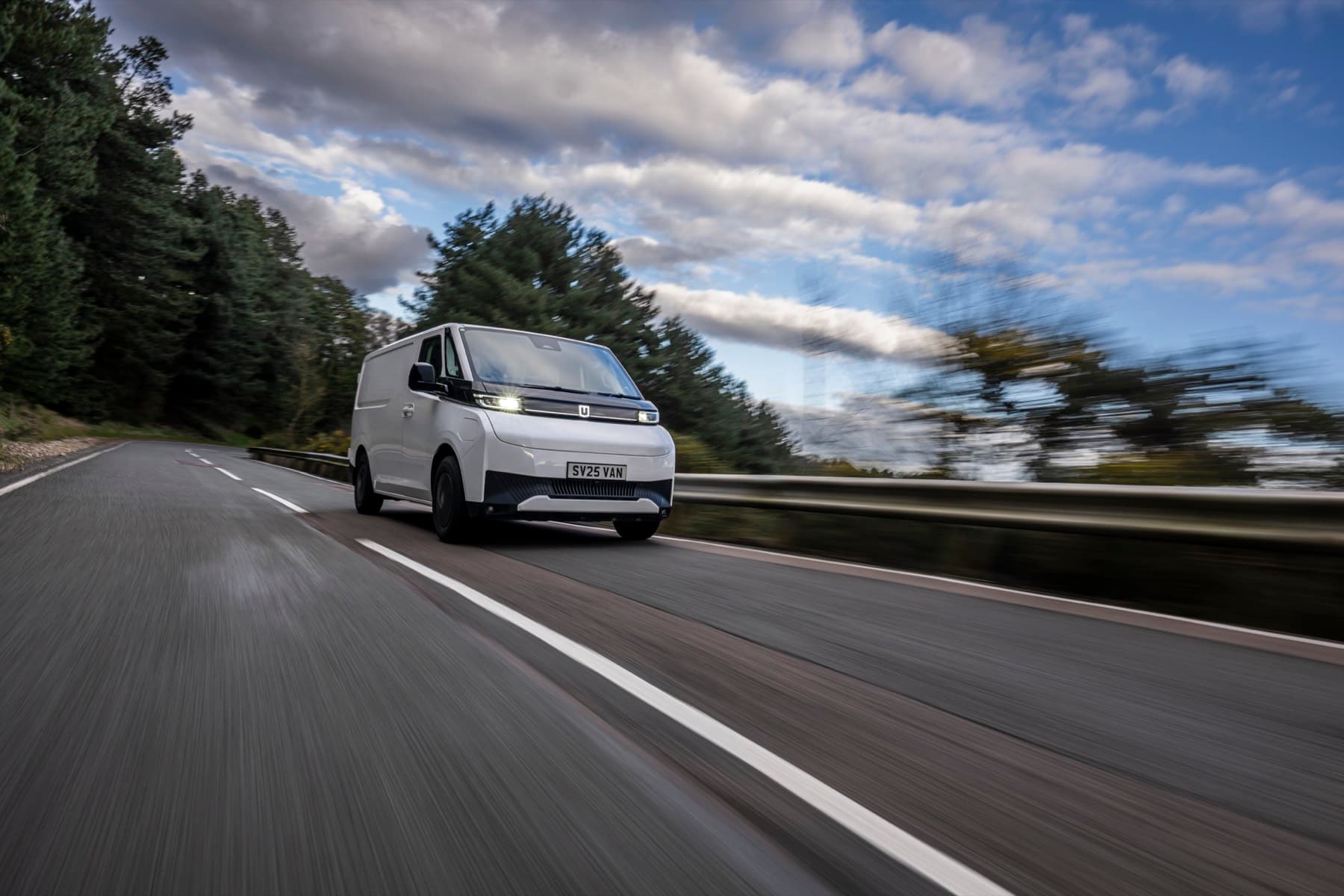
One of the biggest cost-savers is the zero emission van grant. It takes up to £5,000 off the price of an eligible new electric van like the Farizon SV, applied at purchase.
To qualify:
- The van must meet certain emissions and weight criteria
- The grant is applied directly at the point of purchase
- You must be buying from an eligible manufacturer
For many tradesmen, the zero emission van grant can make an electric van’s upfront cost comparable to diesel.
Tax Benefits for Electric Vans
Electric vans also benefit from:
- No ULEZ or Clean Air Zone charges
- A nil van benefit charge on zero-emission company vans (£0 for 2026 to 2027)
Electric vans now pay vehicle tax (VED) at the standard van rate. Check current rates on GOV.UK.
These savings can add up to thousands of pounds per year: effectively lowering your “real” cost of ownership.
Contract Hire vs Lease Purchase for Fleets
If you run multiple vans, you may want to look at:
- Business contract hire: fixed monthly rentals, no ownership, and maintenance can be bundled.
- Lease purchase: lower monthly payments with a final balloon, and the van is yours once the balloon is paid.
This can be particularly cost-effective for small courier companies or trades businesses running 2–10 vans.
Managing Cash Flow with Finance Options
For many small businesses, the appeal of leasing or HP isn’t just affordability: it’s cash flow management. By avoiding a large upfront purchase, you keep capital free for:
- Hiring staff
- Buying tools or equipment
- Marketing your services
This flexibility can be the difference between expanding your business and standing still.
Residual Value and Depreciation
Diesel vans typically lose value quickly, especially with the rise of ULEZ zones. Electric vans are holding their value better, partly because demand is growing and supply is limited.
Choosing a finance option that shields you from depreciation risk, like leasing, can make financial sense if you don’t plan to keep the van long-term.
Example: An Electrical Contractor
Take “Mark”, who runs an electrical contracting business in Bristol:
- His business runs a Farizon SV on a 3-year business contract hire agreement
- Monthly payments: £350 + VAT
- Charging at home on an off-peak tariff
- Savings: £2,500/year compared to his old diesel (fuel, maintenance, ULEZ)
With business contract hire, Mark avoided a large upfront cost and switched to electric without affecting his working capital. This example is for illustration only: your figures come from the finance provider on your quote.
Tips for Getting the Best Finance Deal
- Shop around: compare at least three finance providers.
- Negotiate: some dealers will lower monthly payments to secure the sale.
- Check grant eligibility: not all vans qualify for the zero emission van grant.
- Consider maintenance packages: fixed-cost servicing can simplify budgeting.
Conclusion: Financing Makes Electric Vans Accessible Now
The cost of going electric is no longer the barrier it once was. With the zero emission van grant, business contract hire, lease purchase and hire purchase available, UK businesses can now make the switch without straining cash flow, and start reaping the benefits of lower running costs immediately.
Whether you want ownership from day one or the flexibility to upgrade every few years, there’s a finance option to suit your business.
Finance is for business users only and is subject to status. We introduce you to a finance provider for commercial (business) finance, and any agreement is between you and that provider. The provider will be named on your quote, before you apply. We do not offer FCA-regulated consumer credit.
If you’re ready to explore how an electric van could work for you, book a test drive and see the benefits for yourself.
Reading done. Want these numbers for your own routes?Book a test drive